

Why Lenovo AI Workstations are critical to shaping a future-ready compute strategy
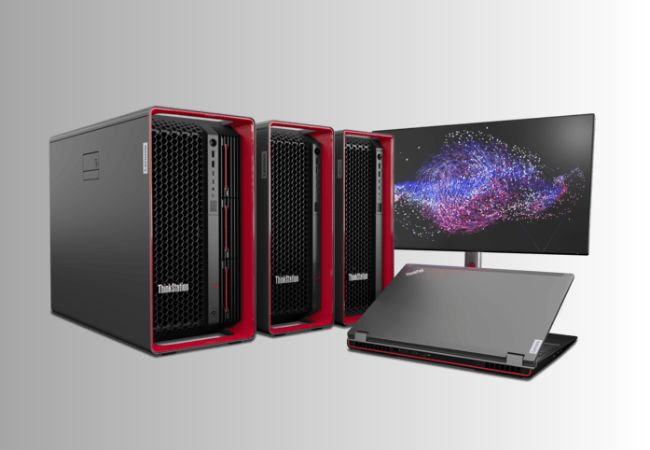
In our AI-centric world, businesses need robust, dependable, and scalable computing systems to handle advanced tasks like machine learning, data analytics, and generative AI. That’s where Lenovo AI Workstations come into play—they’re crafted to meet these specific needs, making them a perfect cornerstone for a modern computing strategy.
At the heart of any AI project is the demand for high-performance computing. AI tasks—like training machine learning models, deep learning, data analysis, and generative AI—demand significant processing power, top-notch graphics capabilities, and ample memory. Lenovo AI Workstations, especially the ThinkStation series, are built to tackle these heavy-duty challenges. With state-of-the-art processors, professional-grade NVIDIA GPUs, speedy storage, and optimized memory setups, these workstations deliver the computational strength required to handle complex datasets and execute sophisticated AI models with ease. Unlike standard business desktops or generic high-performance PCs, Lenovo AI Workstations are specifically designed for AI, making them a strategic asset rather than just another piece of tech.
One of the standout benefits of these workstations is their capacity for local AI processing. This means less dependence on cloud computing, which can cut operational costs, boost performance, and enhance data security. Organizations can train and deploy AI models right on-site while still tapping into cloud resources when necessary. Plus, Lenovo AI Workstations are scalable and ready for the future, allowing companies to upgrade components as their AI requirements evolve. With strong reliability, industry certifications, and solid security features, they offer a trustworthy and secure computing solution.
In summary, Lenovo AI Workstations, with their specialized design, exceptional performance, scalability, security, and cost-effectiveness, provide an ideal foundation for AI-driven computing. Rather than being just supplementary tools, they should be central to an organization’s strategy.